After learning of Maine’s commercial seaweed industry, I began researching and found a wealth of information online. The majority of seaweed harvested in Maine is Ascophyllum nodosum, commonly known as rockweed. A. nodosum has been commercially harvested in Maine since 1971. The industry has been shrouded in controversy since then, all leading up to the Supreme Court case this past March. Conducting this preliminary research was essential to cultivating my interest in the topic, and helped develop a perspective that wasn’t purely scientific. This is how my own research project was formed, rather than through direct observation in nature.
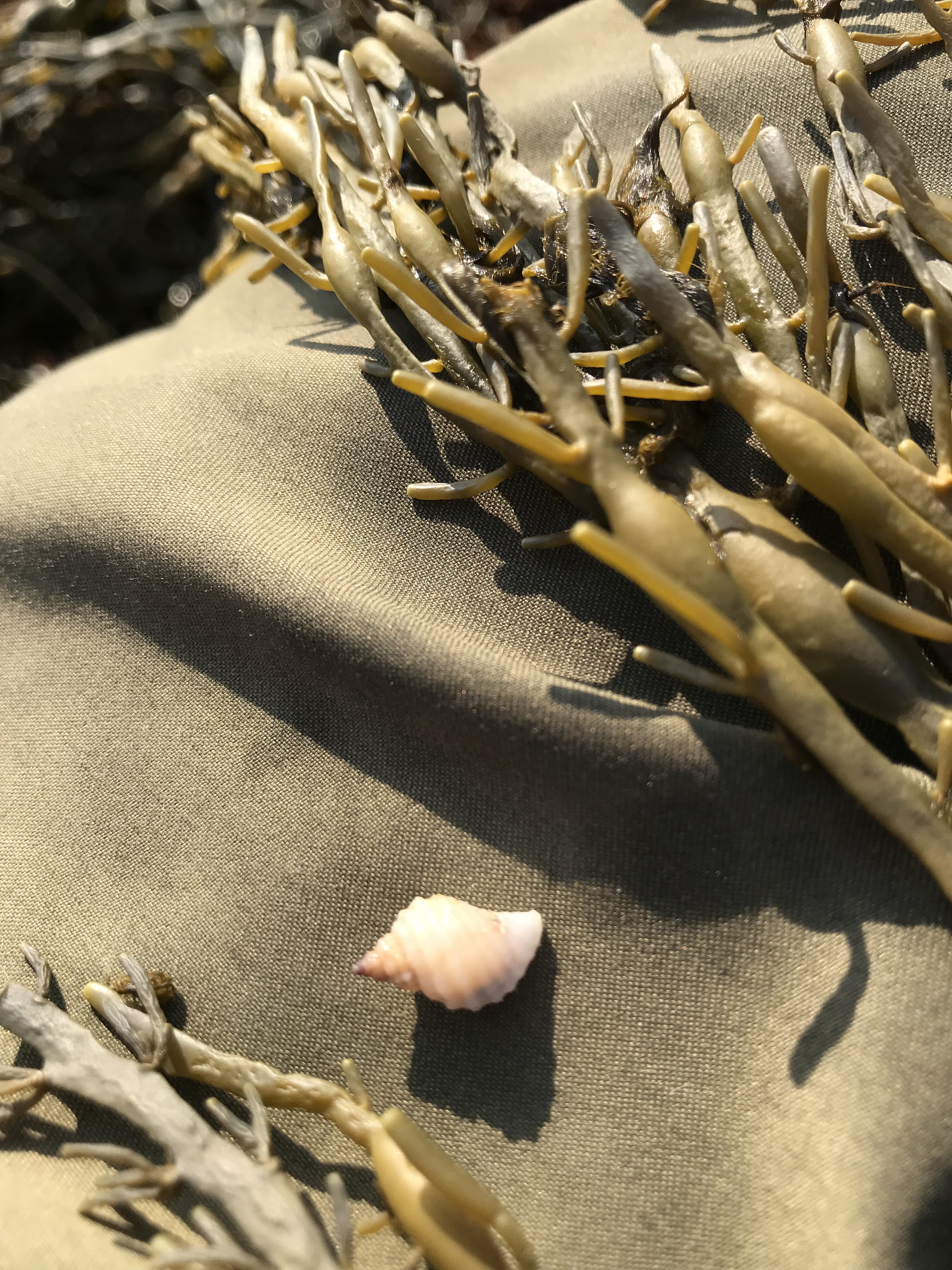
After this initial process, I knew I wanted to explore the overarching theme of the sustainability of rockweed harvesting, and its effects on ecosystem services. More research and conversations with my teachers, Andrew and Hillary, led me to my specific research question: How does disturbance in A. nodosum stands change intertidal community dynamics? I will be testing to see if Maine’s current regulation may result in shifts of community species abundance within the intertidal. My experiment entailed harvesting rockweed from Appledore’s intertidal zone, and measuring the effects of that harvest on Vertebrata lanosa, an epiphytic red algae that grows exclusively on Ascophyllum.
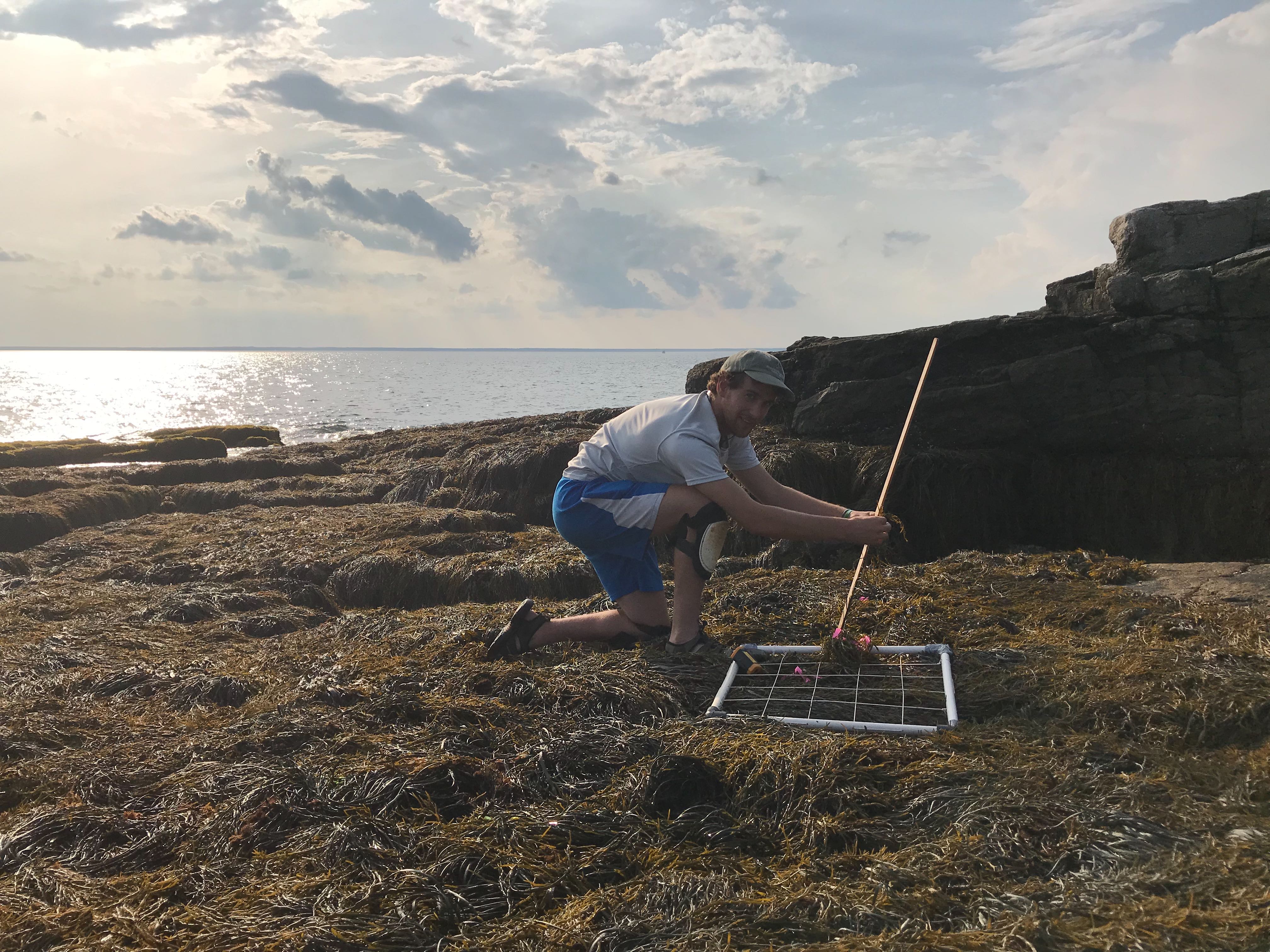
I was also curious if rockweed plays any role in temperature regulation and incorporated temperature measurements into my project. During low tide, rockweed provides insulation for macroinvertebrates against desiccation and temperature fluctuations (Walder 2015). I was interested in how temperature fluctuates within the rockweed, as it piles on top of itself during low tide. I would take three different measurements. The first would be on the surface of the rockweed bed. Next, I would pull back part of the dense layer and record that temperature. The final temperature was the surface of the rock that lies beneath the thick clumps. Maybe temperature does not vary significantly between the various layers. Or perhaps I will find that it does vary in harvested but not unharvested areas. These are all predictions to the hypothesis that states “Seaweed cover provides protection from abiotic stressors”.
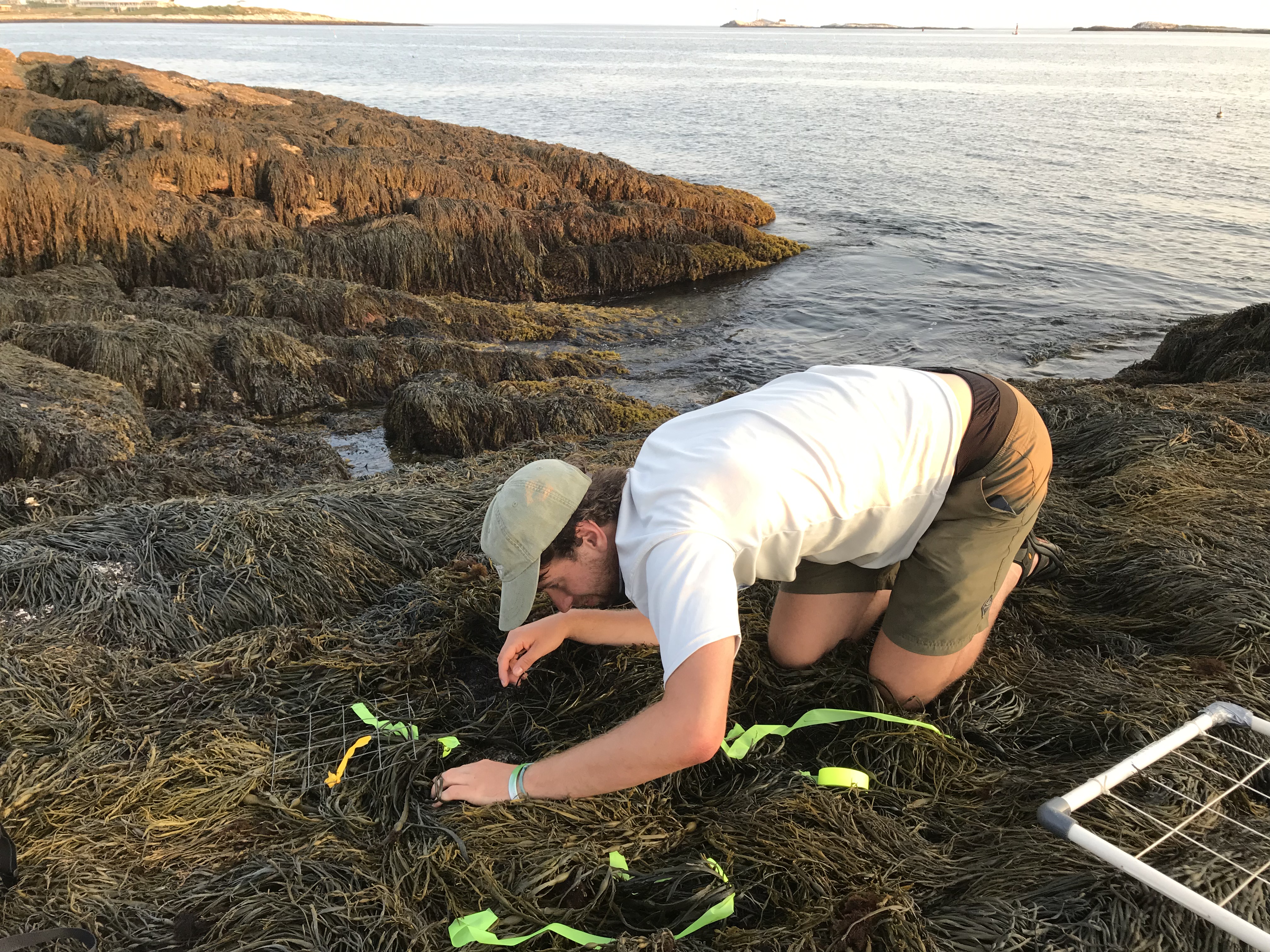
Twice a day, I have been walking out to Smith’s Cove during low tide to collect my data. Aside from the temperature measurements, I also do counts of all the Vertabrata lanosa that I find on individual fronds, and make a note of their height along each frond. The current Maine regulation states that rockweed may be harvested to 16” above the holdfast. By cataloging the average height along the frond, I will be able to determine if a significant amount of V. lanosa habitat is made unavailable during harvest events.
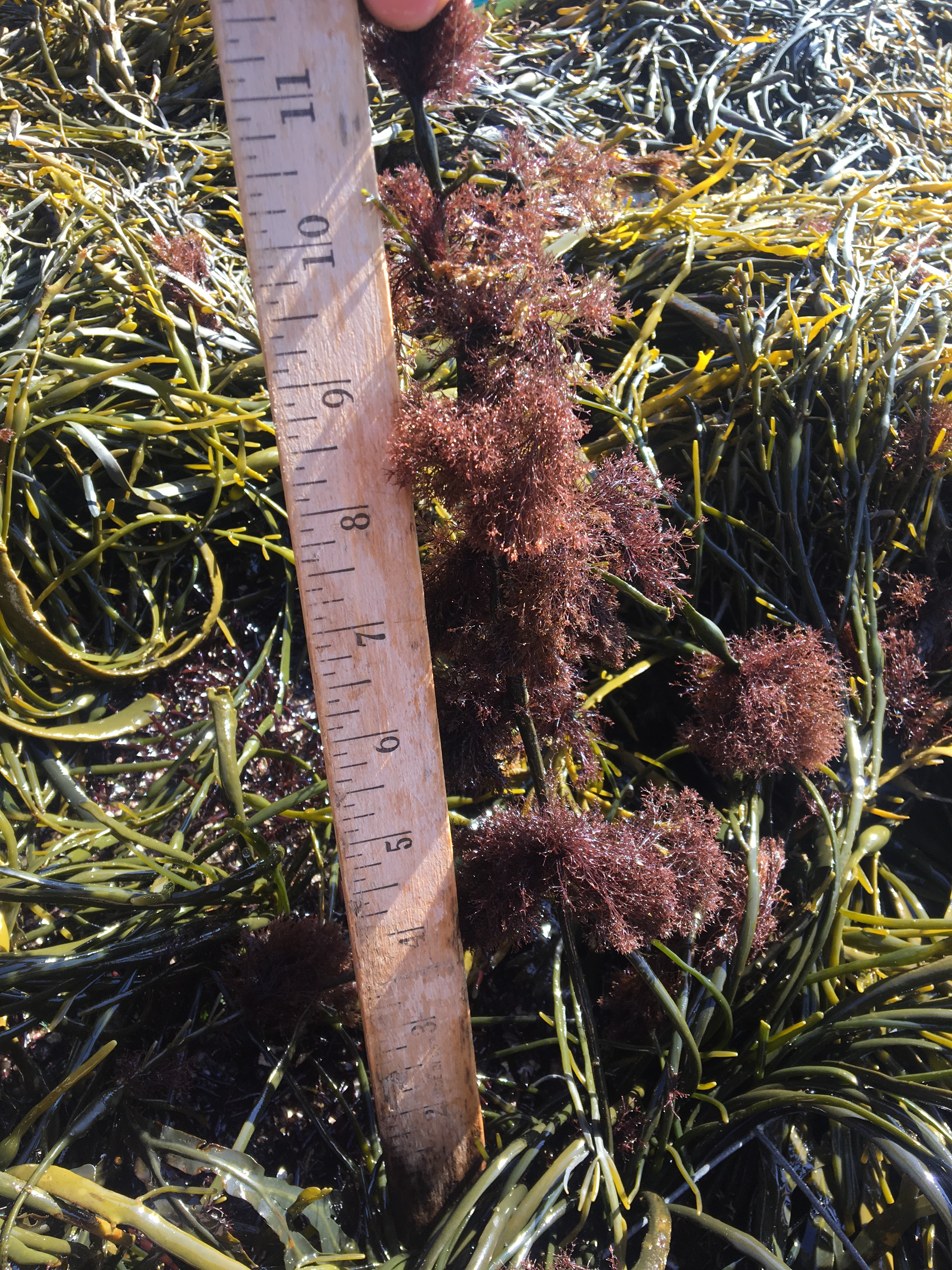
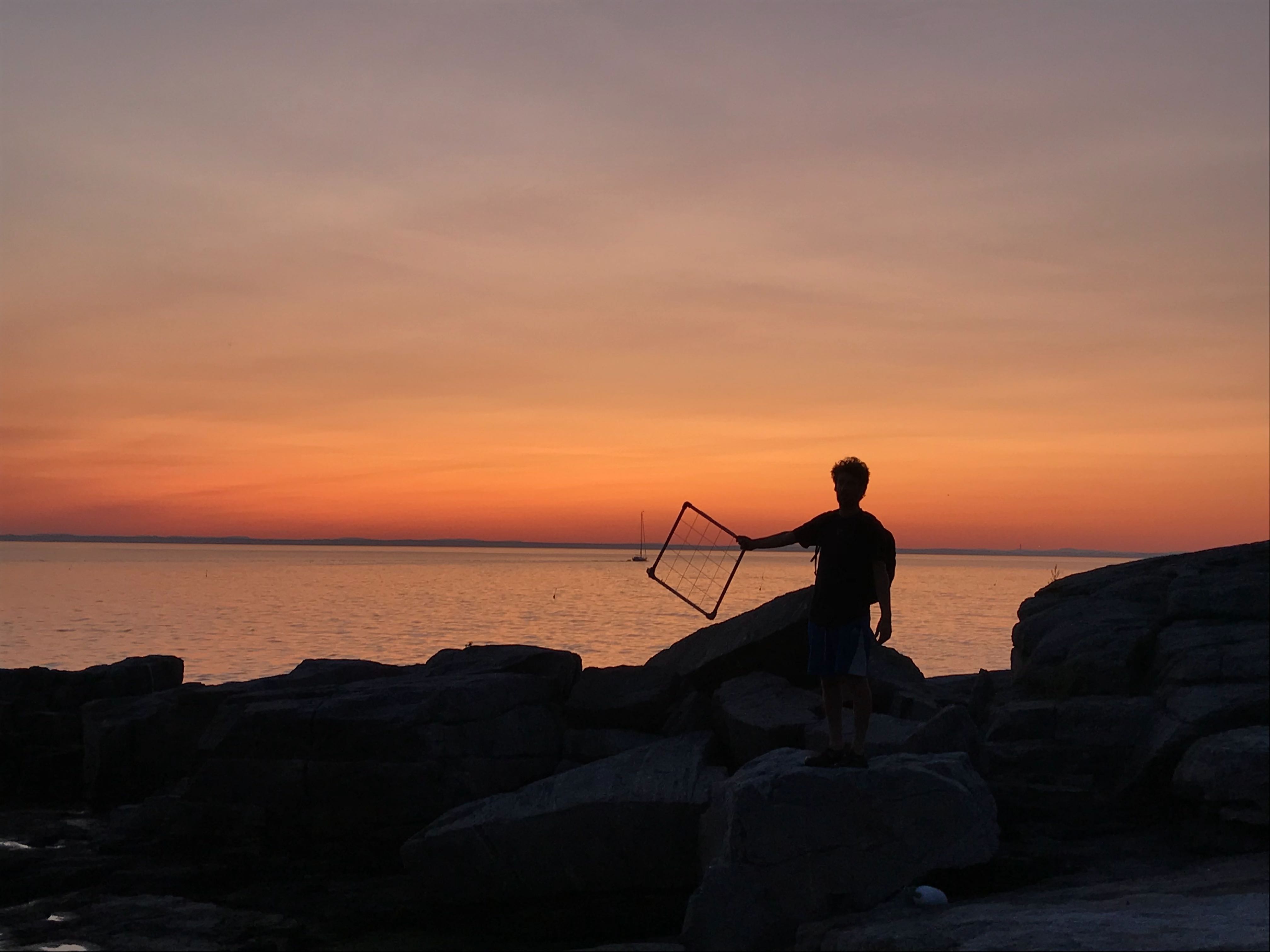
As of right now, my data collection is almost complete. I am looking forward to the next step: analyzing the data using the statistical analysis software JMP and R. That’s all for now. Next time, I will be writing to you with my results!
 Science, Exploration, and Life