Hallo aus Freiburg!
I’ve been in town for just under a month now, and the weather has just begun to feel like autumn. Despite the new and exciting possibilities that come with living abroad, I’ve noticed myself reminiscing about where I was a year ago back in Burlington.
I was enrolled in one of my favorite classes from college: Dendrology, the study of trees and shrubs. The main focus of this class entailed learning how to identify different trees in the field during our weekly lab quizzes.
Each week, we would travel to somewhere in Vermont and learn a new set of trees, often more than a dozen at a time. We’d then have a week to learn them by their twig, leaf, bark and bud. Not only that, we’d have to memorize their common and scientific name, as well as their taxonomic family.
Needle-less to say, last year I spent a lot of time quizzing myself on Latin names and thinking of clever ways to remember the differences between more than 100 Vermont trees.
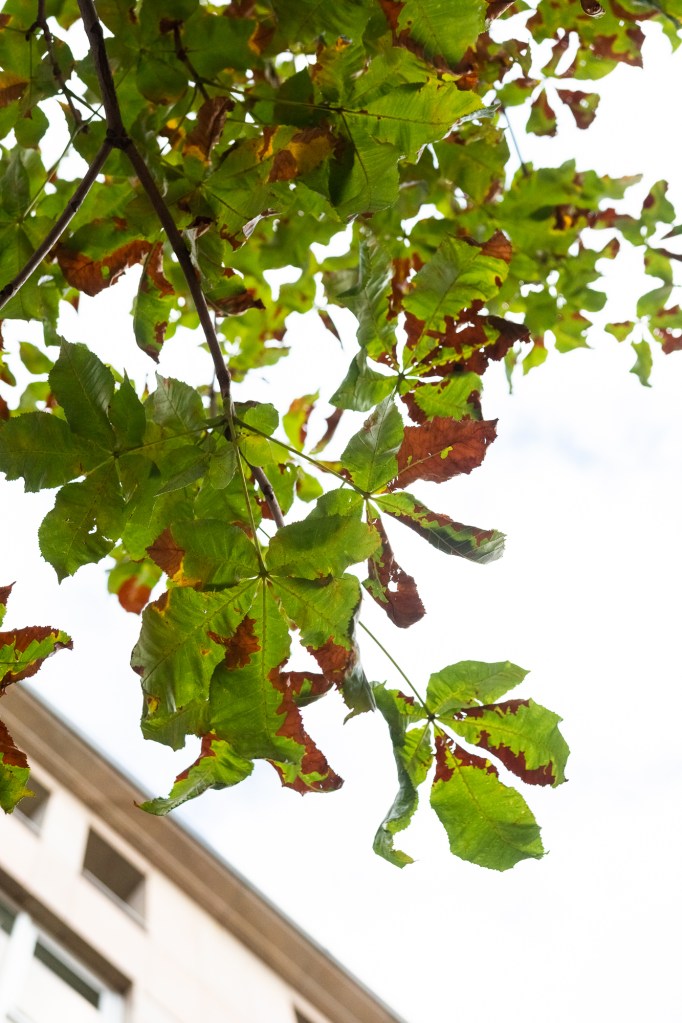
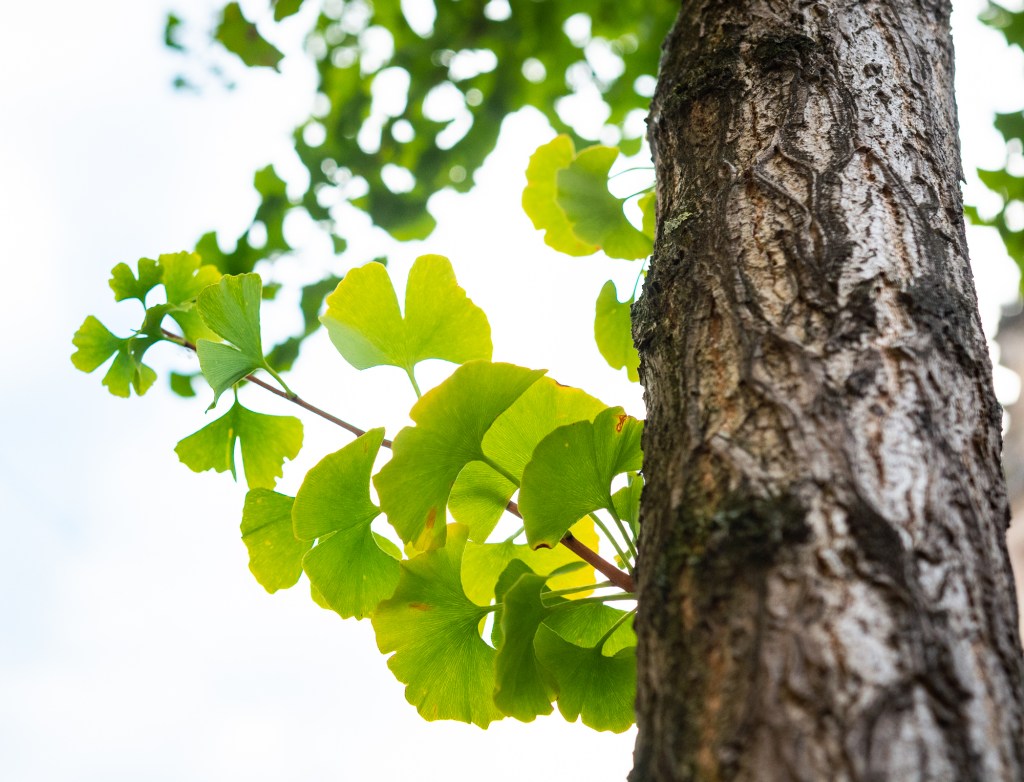
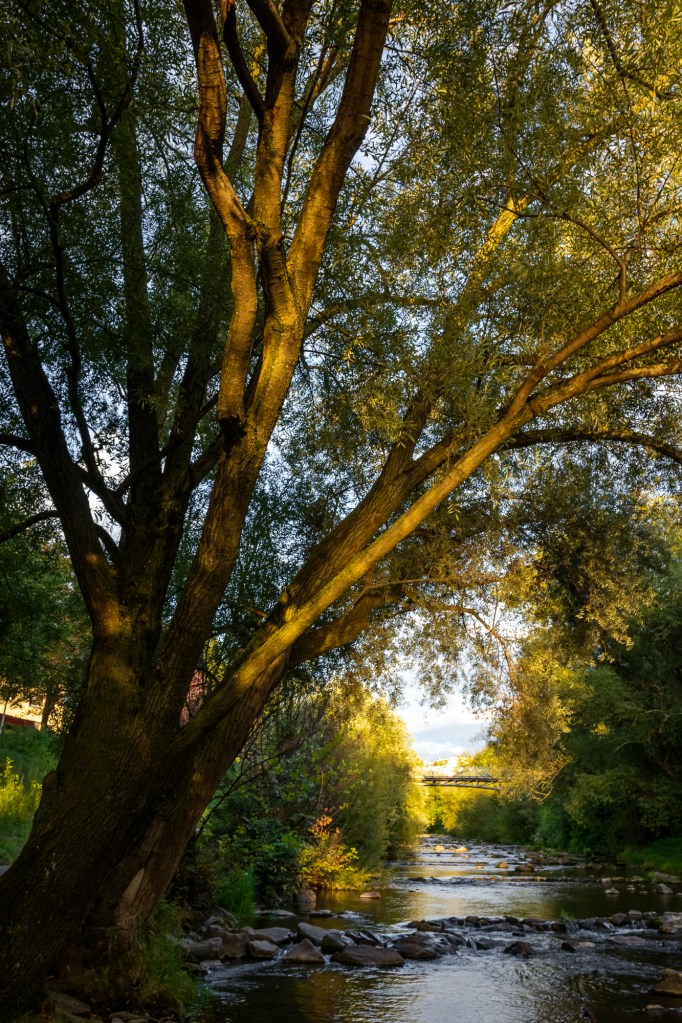
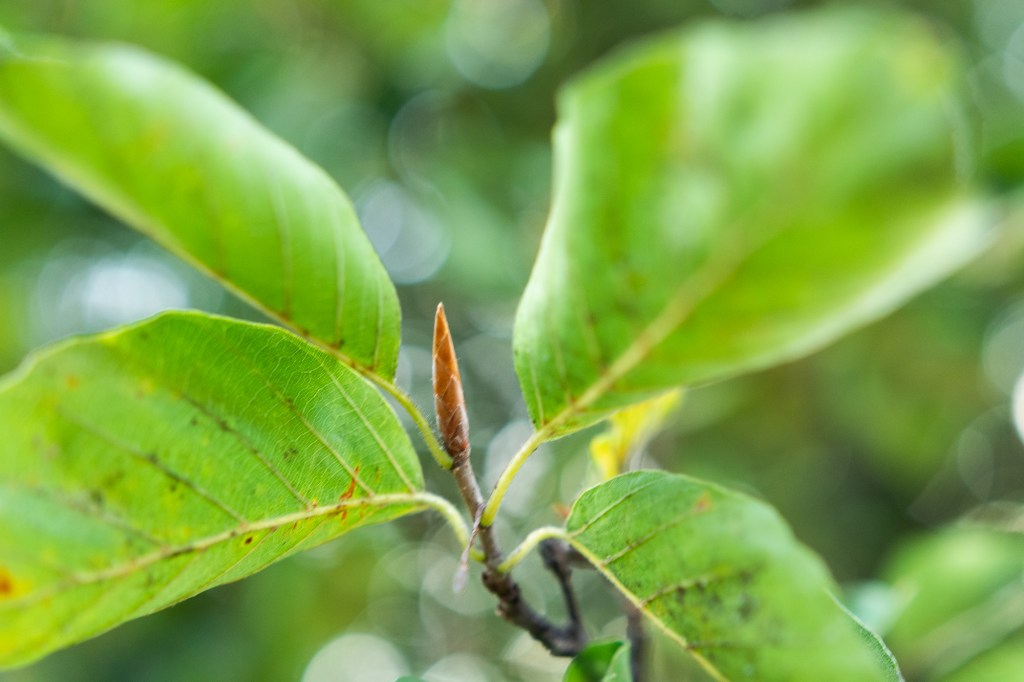
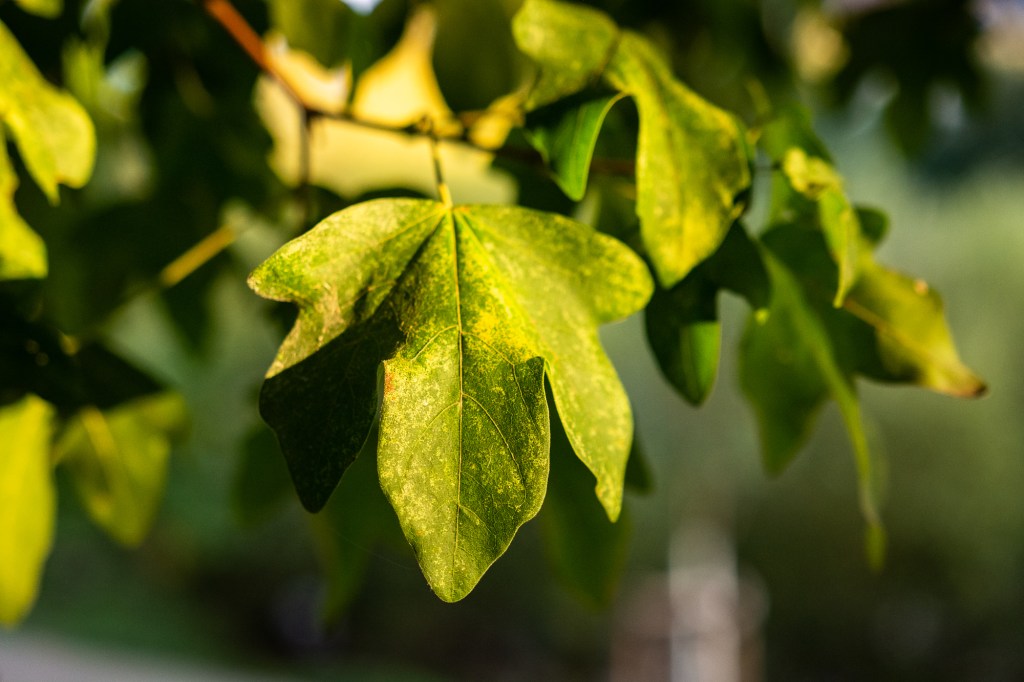
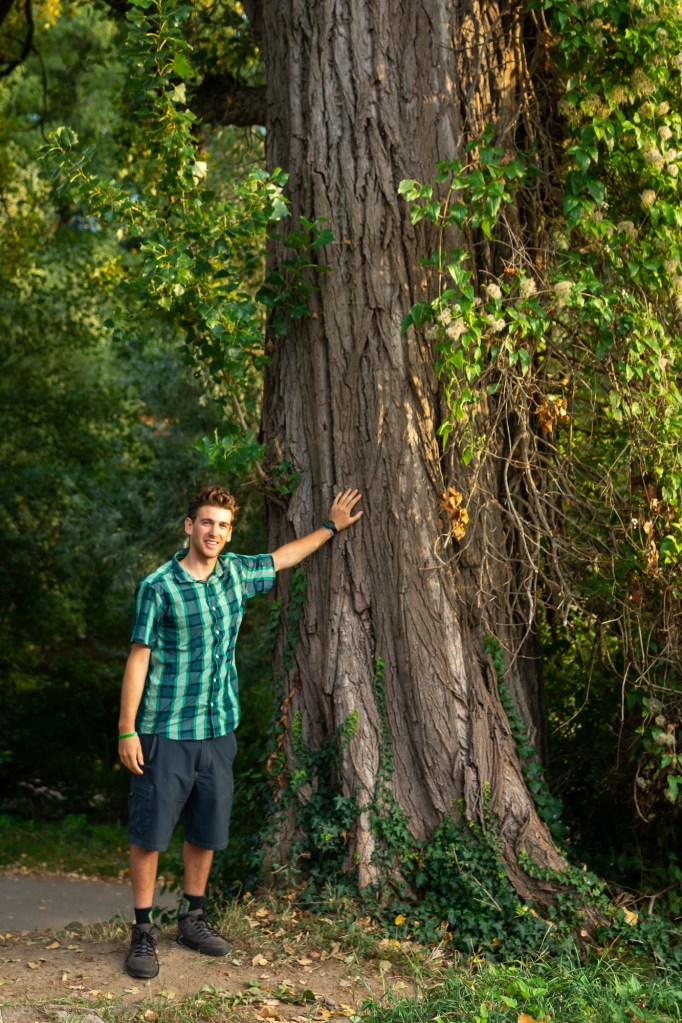
I suppose all that hard work has paid off, because despite being on the other side of the Atlantic Ocean, I’ve noticed a number of trees in Freiburg that are common in Vermont as well. This makes sense, as Freiburg and Burlington share similar climates and latitudes.
Still, seeing these trees has been a reminder of home, and a reminder of all the hours I put into learning them. Thus, the remainder of this post will be dedicated to the trees that Freiburg and Burlington share (As well as some shots of the city). I’d like to note that there are likely many more trees in common than i’ve included; the following are only trees I that I’ve noticed and have been able to identify.
(Photo credit: Lee Deutsch. https://www.instagram.com/ldimagery/

By far the most common street tree in Freiburg


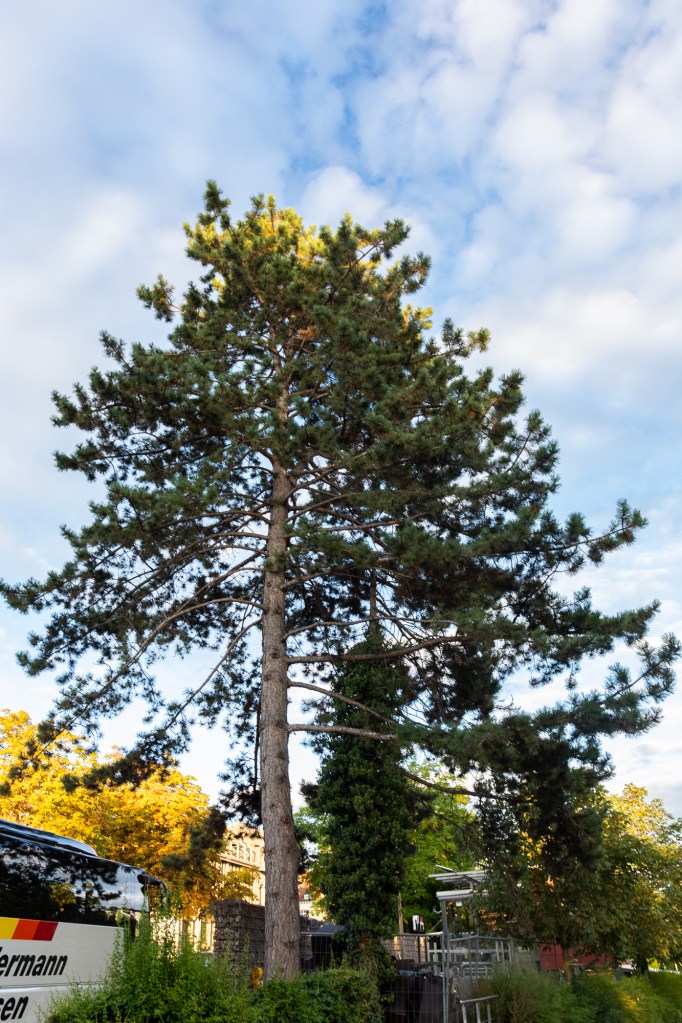
Although not native to Vermont, Austrian pine is commonly planted as a street tree. It is common on UVM’s campus.

This is the final week of our German language classes. Starting on Monday, our three week modules will begin. My next upcoming class is called “Ecology and management of forest landscapes in Southwest Germany and the Swiss Alps “. It’s quite a mouthful, but should be interesting nonetheless.
That’s all for now. Tschüss!
 Science, Exploration, and Life