Featured

Seaweed.

Who would have thunk it?

The state of Maine has an active seaweed industry that is hotly debated within the state. In fact, as recently as March 2019, a lawsuit over intertidal seaweed ownership went all the way to the Maine Supreme Court. Before the ruling, intertidal fish and plants were not “owned” by any private entity, meaning that harvesting the resource could take place on private property without permission.  Escalations over the seaweed industry in Maine reflect global demands that have skyrocketed in recent years. New health and cosmetic products are being produced from seaweed, and it continues to be used for agricultural fertilizer. Meanwhile, conservationists and scientists alike point out that seaweeds contribute to important ecosystem services such as nutrient cycling and habitat availability for associated species. Given this natural resource conflict , the need to fully understand the impacts of seaweed removal on intertidal ecosystems is imperative.  
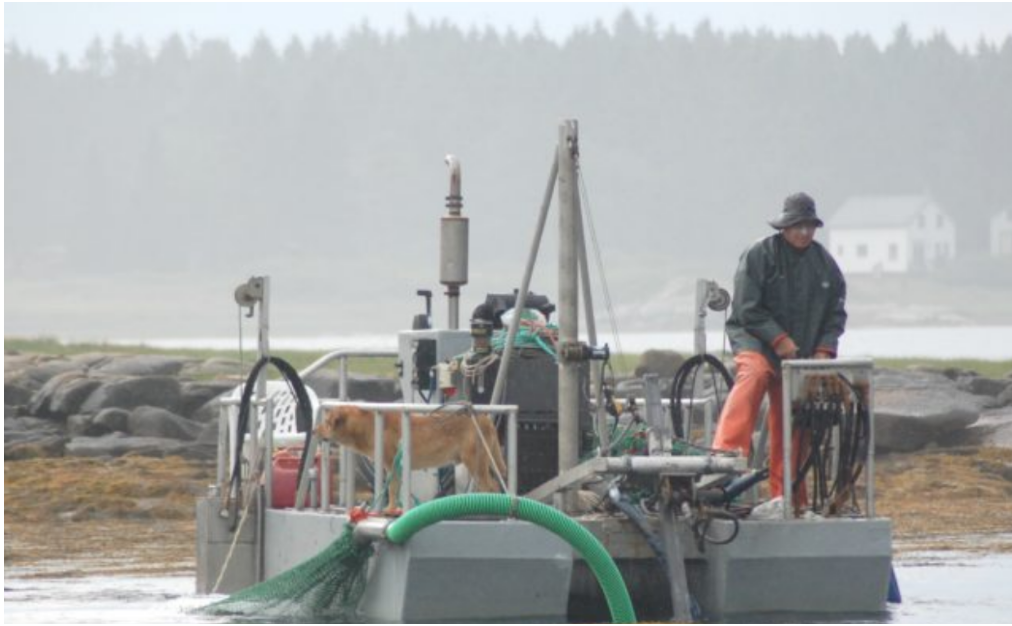
Rockweed harvest Down East.

The most common macroalgae (technical term for seaweed) export from Maine is Ascophyllum nodosum, more commonly known as rockweed. Like other types of macroalgae, rockweed plays important roles during high and low tide. During high tide, air bladders enable Ascophyllum to float on the surface, creating a dense, vertical canopy. This canopy provides food and shelter for marine organisms.During low tide, the beds pile up on the rocks, which provides protection from desiccation for small invertebrates and amphibious fish.

Ascophyllum nodosum

Based on the current issue in Maine, and the unclear effects on intertidal dynamics following a harvest, the following research question will guide my investigation: Why does disturbance in A. nodosum beds change community dynamics? By following standardized industry practices as closely as I can, I will conduct an experiment that seeks to answer this question. By cutting patches of Ascophyllum down to 16”, I will take low tide temperature readings and species counts twice a day. Collecting data on temperature, species composition and biomass removal will reveal insights on how rockweed removal affects habitat dynamics of intertidal zones.  

Looking west towards Portsmouth, New Hampshire from the deck of our classroom.

The Trees of Freiburg

Hallo aus Freiburg!

I’ve been in town for just under a month now, and the weather has just begun to feel like autumn. Despite the new and exciting possibilities that come with living abroad, I’ve noticed myself reminiscing about where I was a year ago back in Burlington.

 I was enrolled in one of my favorite classes from college: Dendrology, the study of trees and shrubs. The main focus of this class entailed learning how to identify different trees in the field during our weekly lab quizzes.

Each week, we would travel to somewhere in Vermont and learn a new set of trees, often more than a dozen at a time. We’d then have a week to learn them by their twig, leaf, bark and bud. Not only that, we’d have to memorize their common and scientific name, as well as their taxonomic family.

Needle-less to say, last year I spent a lot of time quizzing myself on Latin names and thinking of clever ways to remember the differences between more than 100 Vermont trees.  

 I suppose all that hard work has paid off, because despite being on the other side of the Atlantic Ocean, I’ve noticed a number of trees in Freiburg that are common in Vermont as well. This makes sense, as Freiburg and Burlington share similar climates and latitudes.


 Still, seeing these trees has been a reminder of home, and a reminder of all the hours I put into learning them. Thus, the remainder of this post will be dedicated to the trees that Freiburg and Burlington share (As well as some shots of the city). I’d like to note that there are likely many more trees in common than i’ve included; the following are only trees I that I’ve noticed and have been able to identify. 

(Photo credit: Lee Deutsch. https://www.instagram.com/ldimagery/

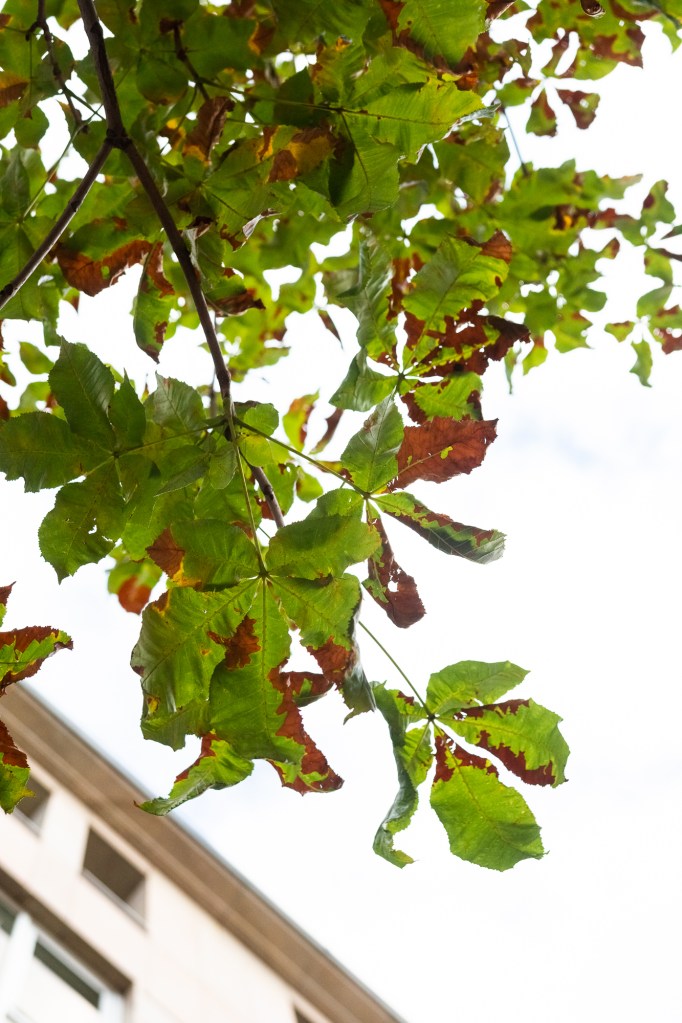
Horse Chestnut (Aesculus hippocastanum)
By far the most common street tree in Freiburg
Horse chestnut leaves.
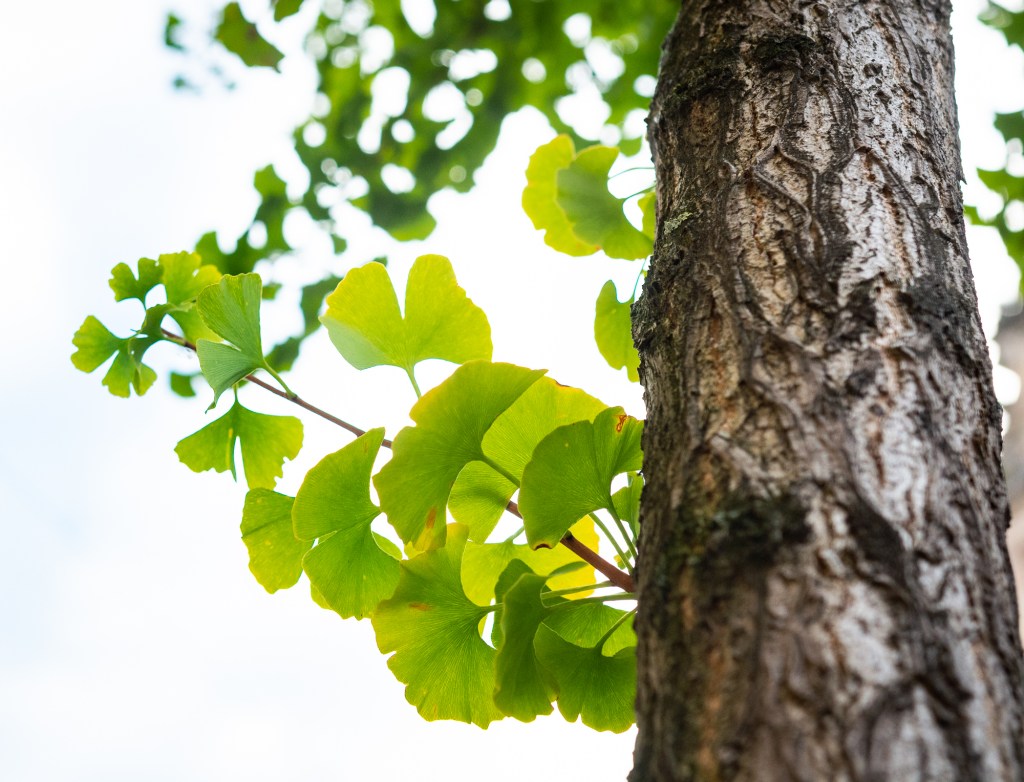
Ginkgo (Ginkgo biloba)
Martinstor gate with Ginkgo trees lining the street
Looking in the other direction down Kaiser-Joseph-Straße.
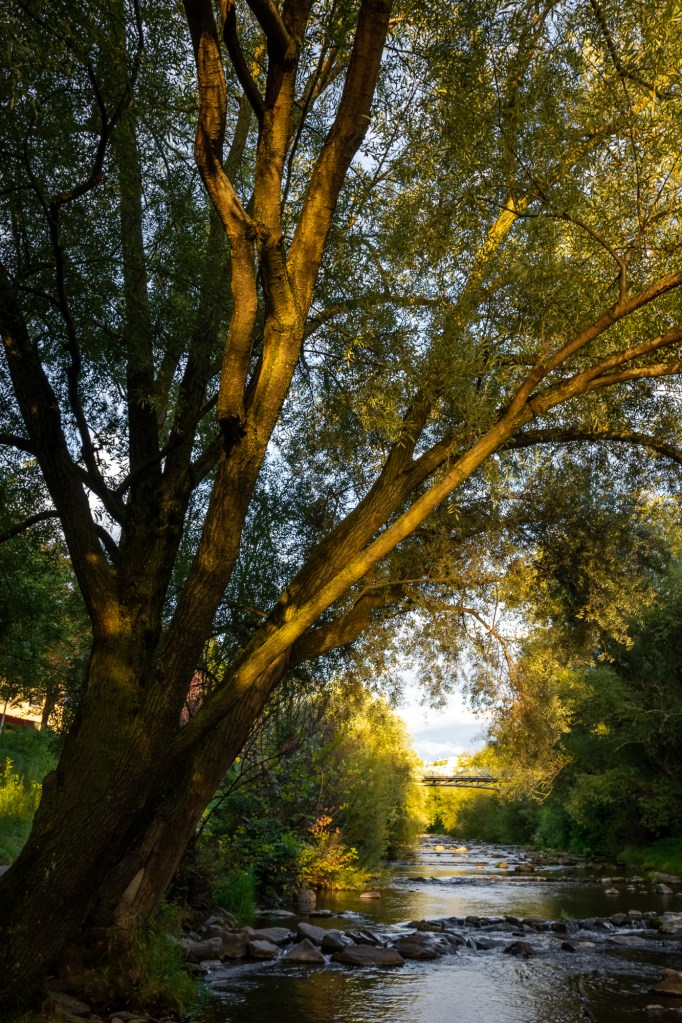
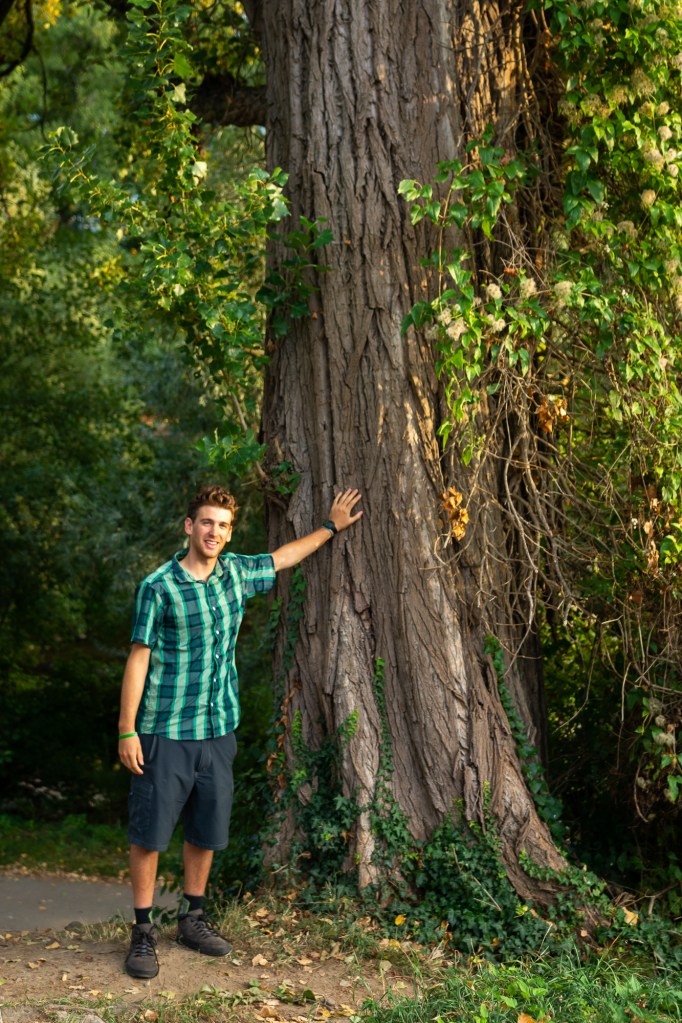
Originally I thought this was a black willow (Salix nigra). Now I suspect it is a crack willow (Salix fragilis), the European variant. A common riparian species, this one overhands the Dreisam River
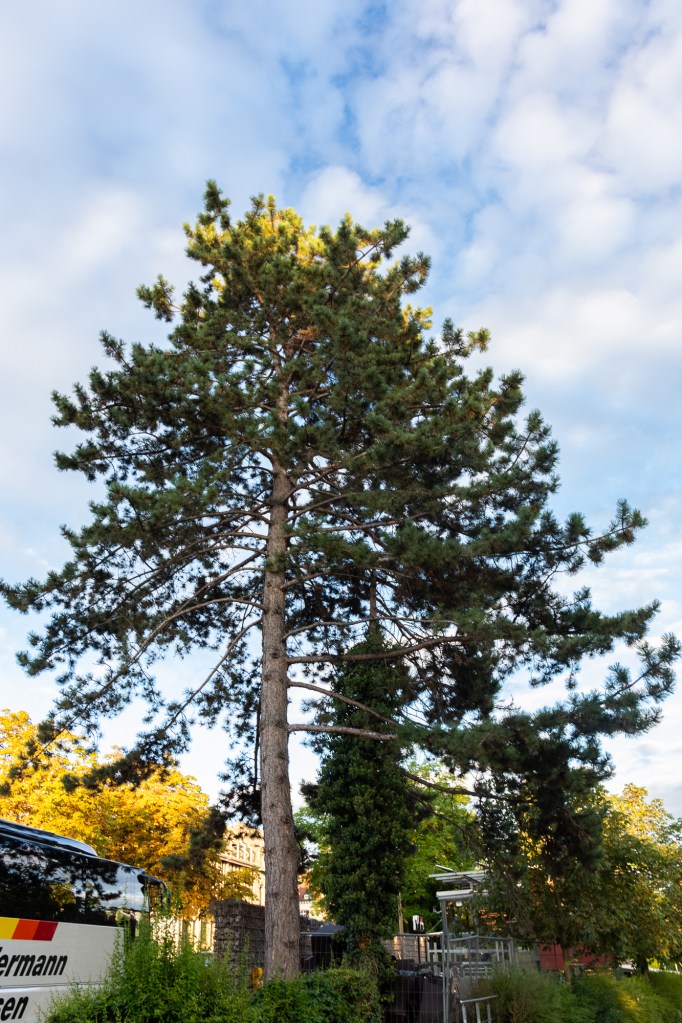
Austrian pine (Pinus nigra)
Although not native to Vermont, Austrian pine is commonly planted as a street tree. It is common on UVM’s campus.
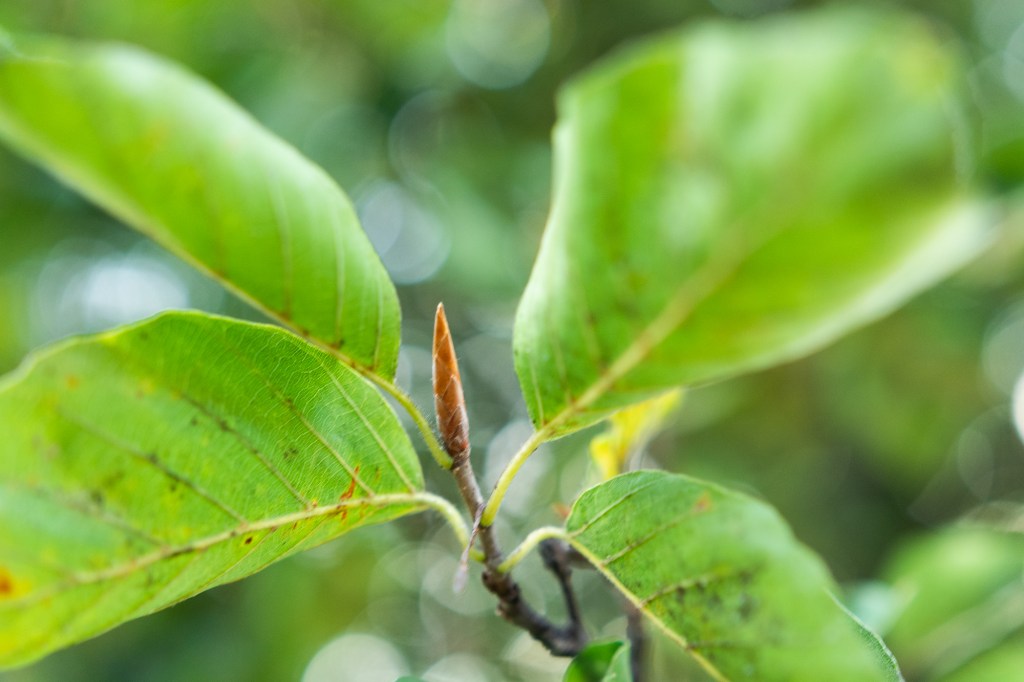
The bud of a beech tree. Probably European beech (Fagus sylvatica). Its American counterpart (Fagus grandifolia) is extremely shade tolerant. Back home, saplings crowd the understory, patiently waiting for a gap to appear in the canopy.
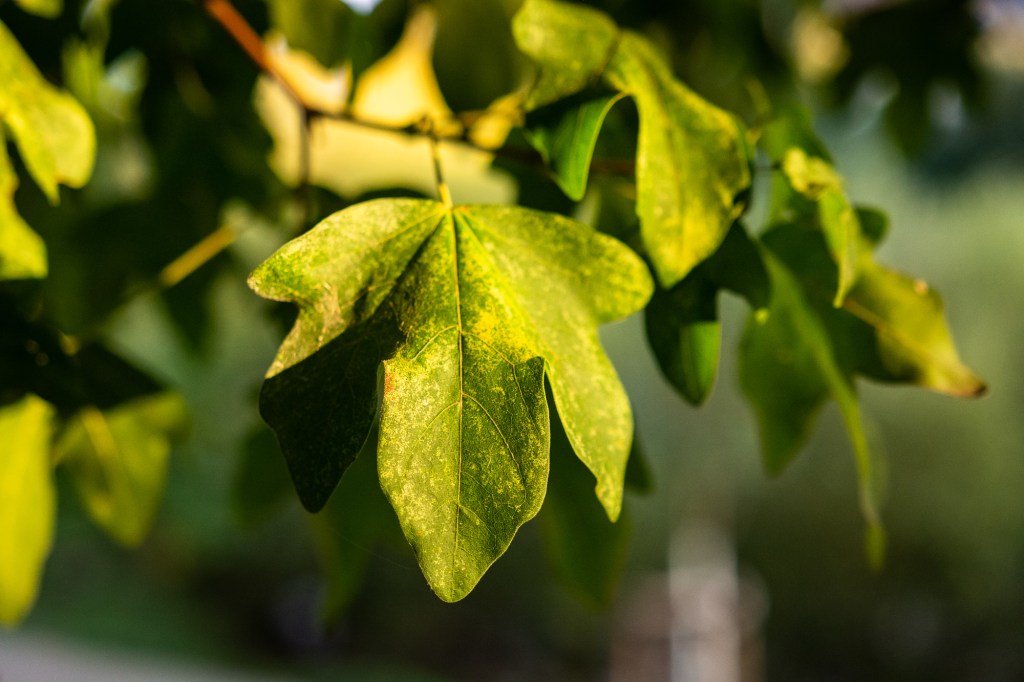
This (and the following picture) reminds me of boxelder (Acer negundo). Boxelder is native to the eastern and central portions of the United States/Canada. However, it is possible that it was planted here a street tree.
The opposite branching, and the petiole that covers the bud scream boxelder, although i’m not certain on this one. Anyone is welcome to comment if they think they know what it is!

This is the final week of our German language classes. Starting on Monday, our three week modules will begin. My next upcoming class is called “Ecology and management of forest landscapes in Southwest Germany and the Swiss Alps “. It’s quite a mouthful, but should be interesting nonetheless.

That’s all for now. Tschüss!

Hello from the other side of the Atlantic.

Since wrapping my project at Shoals Marine Lab, i’ve embarked on a new adventure. I’m happy to report that for the next four months, i’ll be living in Germany’s Black Forest region studying forestry and environmental science.

Looking down at the city from atop the Munster

I’ve been in Germany for over a week now, and it has taken me some time to get adjusted to my new life here. For those of you who may be wondering if I speak German, the is answer is no! This has made for an interesting week and a half. I’ve learned that you can get by pretty well in cafes by pointing to what you’d like to buy, and that if the barista says something to you, chances are they’re asking if you’d like anything else. In this case, “neine, danke” works well. I’ve also been the using the phrase “Ich spreche keine Deutsch”, meaning “I do not speak German”. Luckily, I have a German language class for the next three weeks to help me learn some practical skills for everyday use.

Sunset behind one of the city’s two medieval gateway entrances.

My program is based in Freiburg, a city of 220,000 in the southwest corner of the country. Freiburg is situated less than 20 miles from the French border and no more than a 40 minute train ride to Basel, Switzerland. The town is nestled at the foot of the Black Forest, which is a large forested mountain range in the state of Baden-Wurttemburg.

The Black Forest starts right at the edge of town

I can tell Freiburg is going to be a great place to study the environment. It’s proximity to the Black Forest has drawn many researchers to the university, and is considered one the greenest cities in Germany. The area reminds me a lot of Vermont; the landscape is dotted with pastoral fields settled on rolling hills, while the imposing forests stand starkly above the town.

Walking around the market at the base of the Munster.

A highlight of the trip thus far has been the day trip to Lake Constance. Lake Constance is the third largest freshwater lake in central and western Europe. We toured around the German town of Konstanz and made it a stone’s throw away from entering Switzerland. The tour concluded in front of a very large linden tree that served as a general meeting place for the town a long time ago.

A Renaissance building in the town of Konstanz

I will be providing updates on my experiences and travels periodically throughout the semester. My environmental classes do not start for another three weeks; we are focusing solely on the language immersion now. That’s all for now. Feel free to leave a comment if you’d like to know more about my experiences!

A linden tree

Results

Hey everyone! Alex here with some more updates on my research project. Since my last blog post, I’ve finished data collection and entry, analysis, and interpretation. I set out to determine if cutting Ascophyllum nodosum down to 16 inches would impact its ability to act as a buffer against abiotic stressors. The second part of my research examined how harvesting to 16 inches may impact the several epiphytic algae species that propagate on Ascophyllum. Understanding the changes that will occur under the current harvesting protocols will ideally promote a more informed management strategy for the industry. 

See you tomorrow, fwend.

I began by collecting temperature measurements in control and treatment plots at three different “levels” within the rockweed mat. These measurements occurred at the surface of the mat, in the middle, and finally at the surface of the rock. I found that there was no statistical difference in any of the temperature measurements between harvest and control plots. While at first I was disappointed to find that there was no difference in my data, I realized that there is still an insightful take away from this result. That is that  rockweed harvests may not impact Ascophyllum’s ability to provide a buffer against temperature fluctuations during low tide. 

Pausing for a break during data collection

While it was interesting to collect data that highlighted this result, my work is the beginning of future investigations that will continue to answer this question. Future studies should consider studying the effects of harvest during different times of the year in order to capture different weather conditions. These studies should also look at multiple harvests within the intertidal zone in order to understand how a larger patchwork of harvests affect temperature fluctuations.

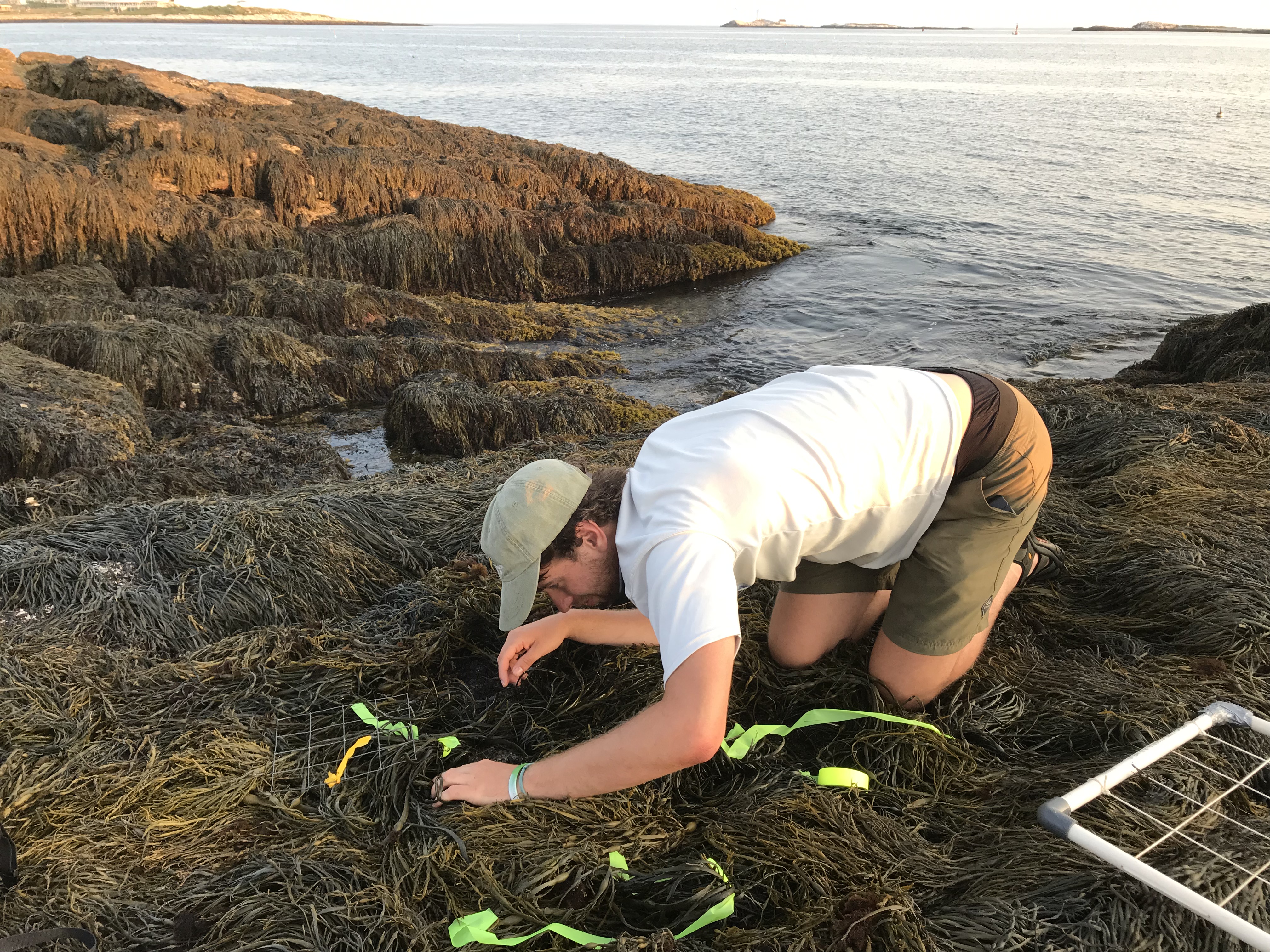
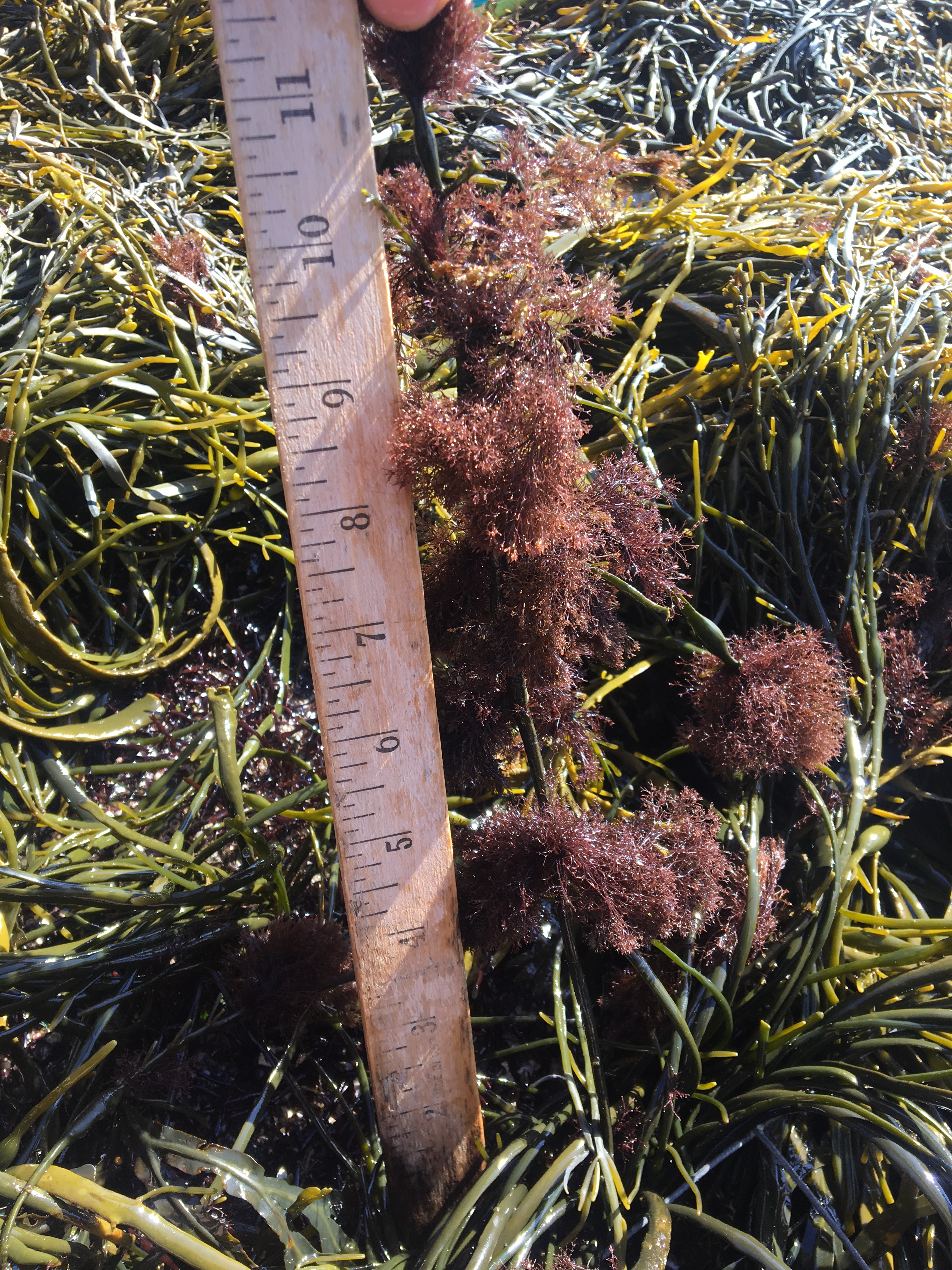
The other portion of my study included how rockweed harvests may affect epiphyte populations and recruitment. This included painstakingly counting each epiphyte and recording its height along the Ascophyllum fronds. I also recorded the height of each Ascophyllum frond that contained epiphytes as well as fronds that did not contain epiphytes.   By the end of my data collection, I had counted and logged nearly 5000 (4961, to be exact)! After an analysis of my data, I found that fronds with epiphytes were on average taller than fronds without epiphytes. This result is interesting because it may correlate to the tendency of the epiphytes to cluster on the outer portions of fronds1. I also found that the majority of epiphytes I sampled were above 16”. Based on this data set, epiphytes may be disproportionately affected by Ascophyllum harvests. This is especially true for Vertebrata lanosa, which is host-specific and only found on Ascophyllum. 

Thunder and lightning storm over Portsmouth

My work appears to be the first ever investigation of epiphyte impacts specifically due to Ascophyllum harvesting. My dataset can be used in future research as a baseline. If someone were to follow my methodologies, it would be interesting to see if there was any noticeable differences in temperature or epiphyte distribution one year after my cutting (RIB 2020 i’m talking to you!)  Future research should consider how epiphyte populations are affected by harvests during different seasons and at different areas along the intertidal elevation gradient. Also, it would be beneficial to study how Ascophyllum harvests affect the recruitment success of epiphytes during their reproductive season.

Last day of data collection-sweet victory.

That concludes my final blog post for the Research in Biology course. If anyone would like to contact me about my project, is interested in the dataset, or wants to know more about the Shoals Research Apprenticeship, I can be reached at avanraal@uvm.edu. 

Background research and Experimental Design

After learning of Maine’s commercial seaweed industry, I began researching and found a wealth of information online. The majority of seaweed harvested in Maine is Ascophyllum nodosum, commonly known as rockweed. A. nodosum has been commercially harvested in Maine since 1971. The industry has been shrouded in controversy since then, all leading up to the Supreme Court case this past March. Conducting this preliminary research was essential to cultivating my interest in the topic, and helped develop a perspective that wasn’t purely scientific. This is how my own research project was formed, rather than through direct observation in nature. 

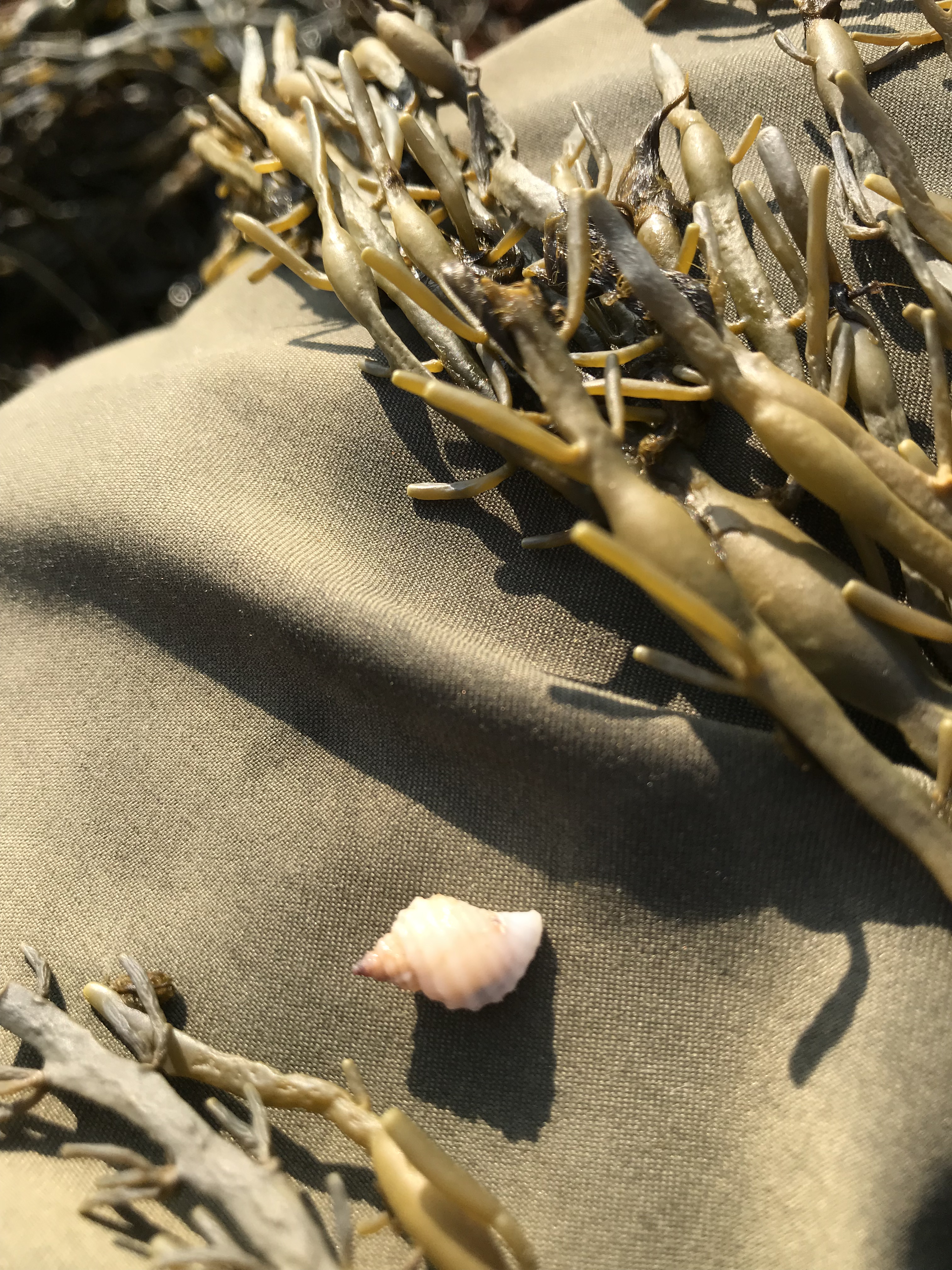
The shell of a periwinkle, common intertidal resident

 After this initial process, I knew I wanted to explore the overarching theme of the sustainability of rockweed harvesting, and its effects on ecosystem services. More research and conversations with my teachers, Andrew and Hillary, led me to my specific research question: How does disturbance in A. nodosum stands change intertidal community dynamics? I will be testing to see if Maine’s current regulation may result in shifts of community species abundance within the intertidal. My experiment entailed harvesting rockweed from Appledore’s intertidal zone, and measuring the effects of that harvest on Vertebrata lanosa, an epiphytic red algae that grows exclusively on Ascophyllum. 

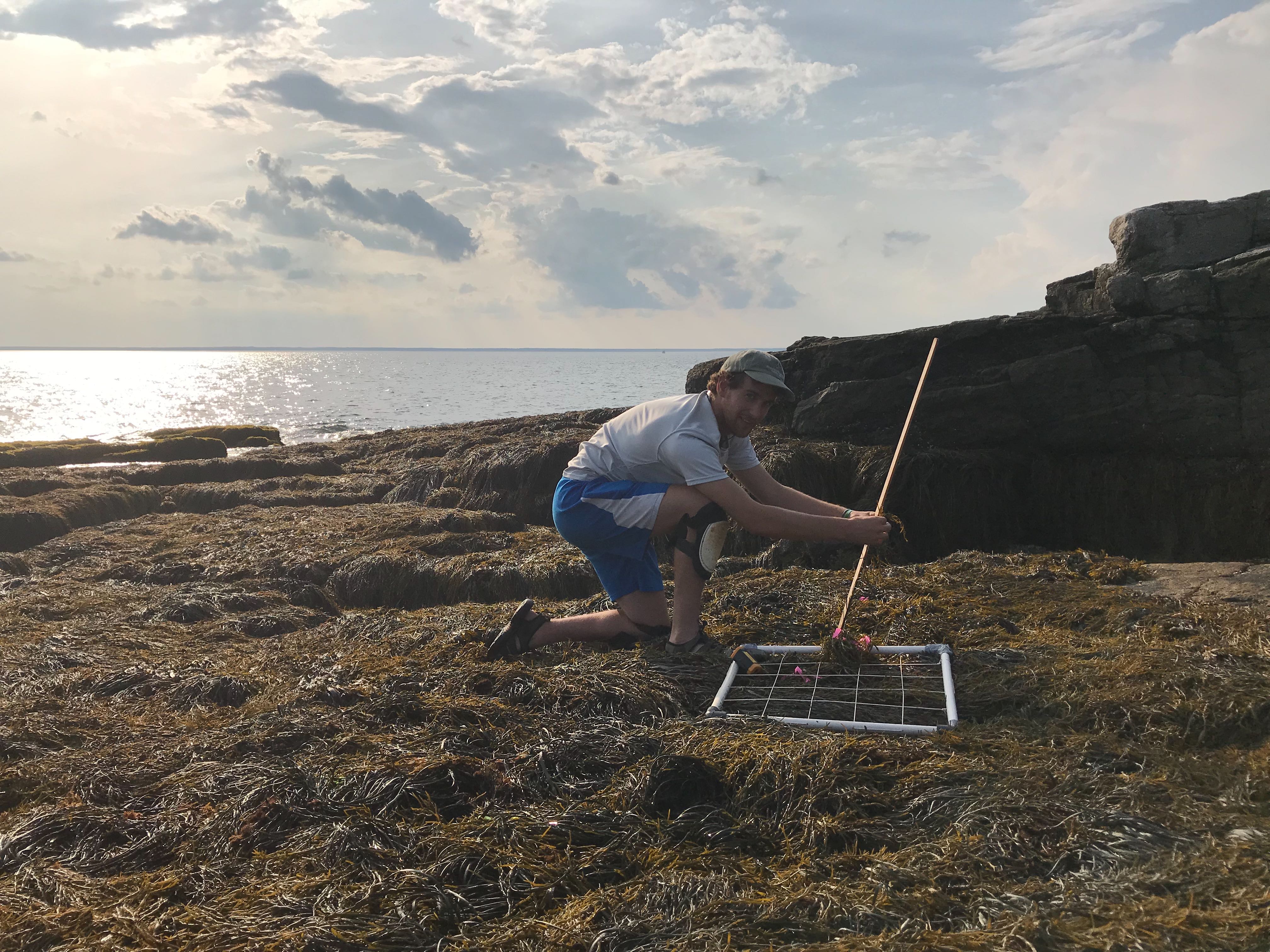
Taking measurements in one of my control plots.

 I was also curious if rockweed plays any role in temperature regulation and incorporated temperature measurements into my project. During low tide, rockweed provides insulation for macroinvertebrates against desiccation and temperature fluctuations (Walder 2015). I was interested in how temperature fluctuates within the rockweed, as it piles on top of itself during low tide.  I would take three different measurements. The first would be on the surface of the rockweed bed. Next, I would pull back part of the dense layer and record that temperature. The final temperature was the surface of the rock that lies beneath the thick clumps. Maybe temperature does not vary significantly between the various layers. Or perhaps I will find that it does vary in harvested but not unharvested areas. These are all predictions to the hypothesis that states “Seaweed cover provides protection from abiotic stressors”. 

Twice a day, I have been walking out to Smith’s Cove during low tide to collect my data. Aside from the temperature measurements, I also do counts of all the Vertabrata lanosa that I find on individual fronds, and make a note of their height along each frond. The current Maine regulation states that rockweed may be harvested to 16” above the holdfast. By cataloging the average height along the frond, I will be able to determine if a significant amount of V. lanosa habitat is made unavailable during harvest events.  

Vertebrata lanosa in red, growing on Ascophyllum nodosum.
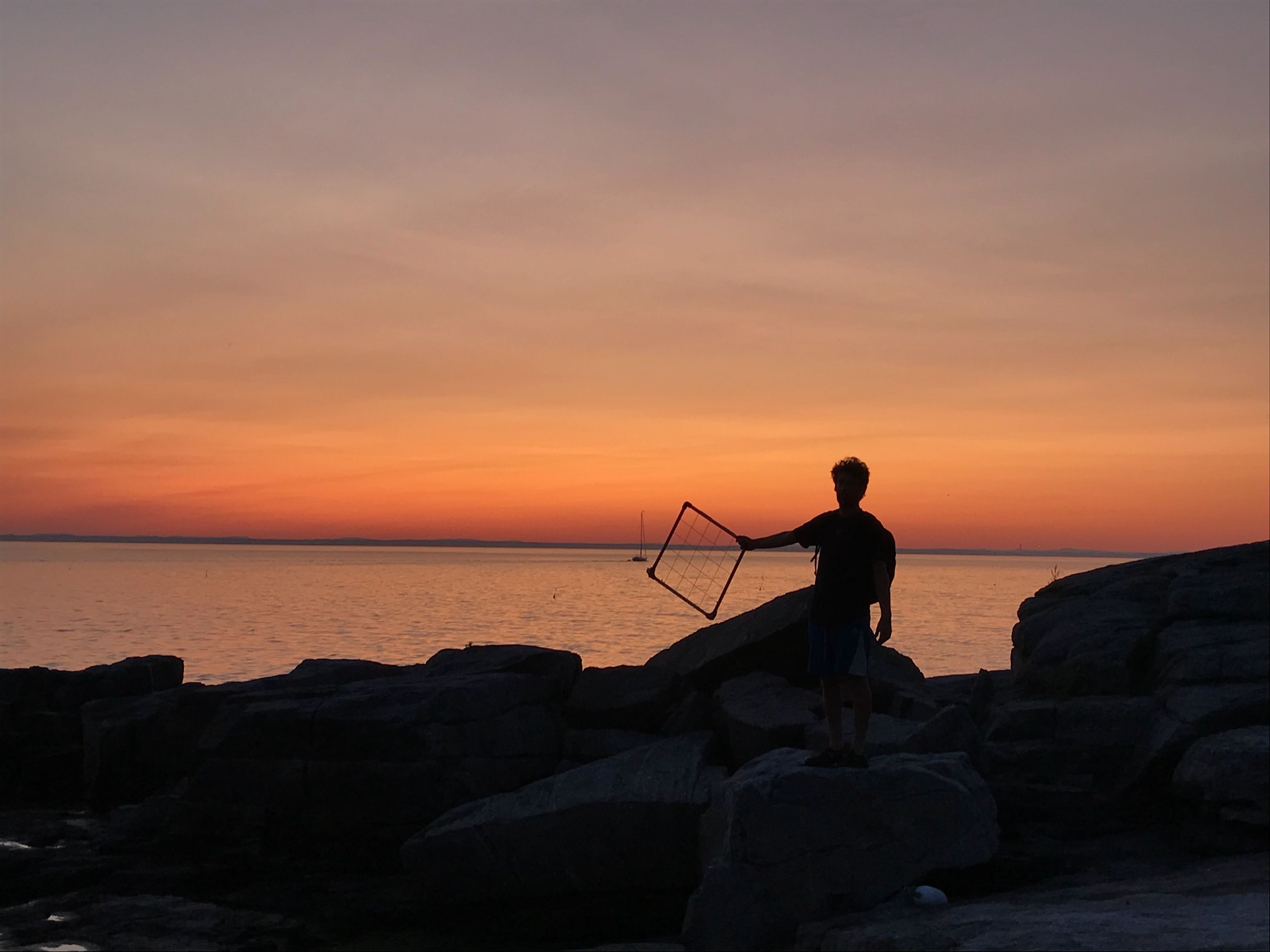
Finishing up data collection with the sunset

As of right now, my data collection is almost complete. I am looking forward to the next step: analyzing the data using the statistical analysis software JMP and R. That’s all for now. Next time, I will be writing to you with my results! 

Welcome.

Read on for neat science.

Hello world. 

Please allow me to introduce myself. My name is Alex and for the next two weeks, we are going to be diving deep into the scientific method. As I write this, I am sitting in a classroom surrounded by microscopes, beakers, quadrats, an emergency eyewash station, and all the other paraphernalia one would expect to find in a educational science building. But what makes this place even more exciting is the hundreds of cackling gulls right outside the window, the cat sharks in the sea tank, the hermit crab whose taken up residence in a clear glass shell, and the emminent lightning storm that is surrounding our small island home. 

Me. In a light house.

The place im talking about is the Shoals Marine Lab on Appledore Island, Maine. This summer, I’m taking part in a research apprenticeship on the island that is composed of two courses: Investigative Marine Biology, and Research in Biology. Each class is two weeks long and a fully emmersive experience in biological research, with a marine focus. Already half way there, I will be maintaining this blog for the remainer of my experience.

A good look at Appledore’s rugged coast.

 This blog is a written presentation of my initial forays into biological research. In the coming weeks, I will guide you through the process of observation, inquiry, hypothesis building, experimental design, field work, data collection, analysis, and interpretation. I am thrilled to be able to begin this educational opportunity. I think that writing through this blog will also be beneficial to the experience. 

At the University of Vermont, I study Natural Resource Ecology and Forestry. These backgrounds certainly have influenced my interests here at Shoals. I knew that whatever I ended up studying, I wanted it to be focused at a larger spatial scale (think ecosystem level) and have some sort of conservation takeaway. 

A day old tern chick right before banding. All in the name of conservation.

With that in mind, I began researching conservation issues of Maine’s coastal regions and discovered the commercial seaweed industry. I don’t want to give away to many spoilers about the project, so that’s all for now! 

Create your own website, free on WordPress.com.Create your own website.
Start free